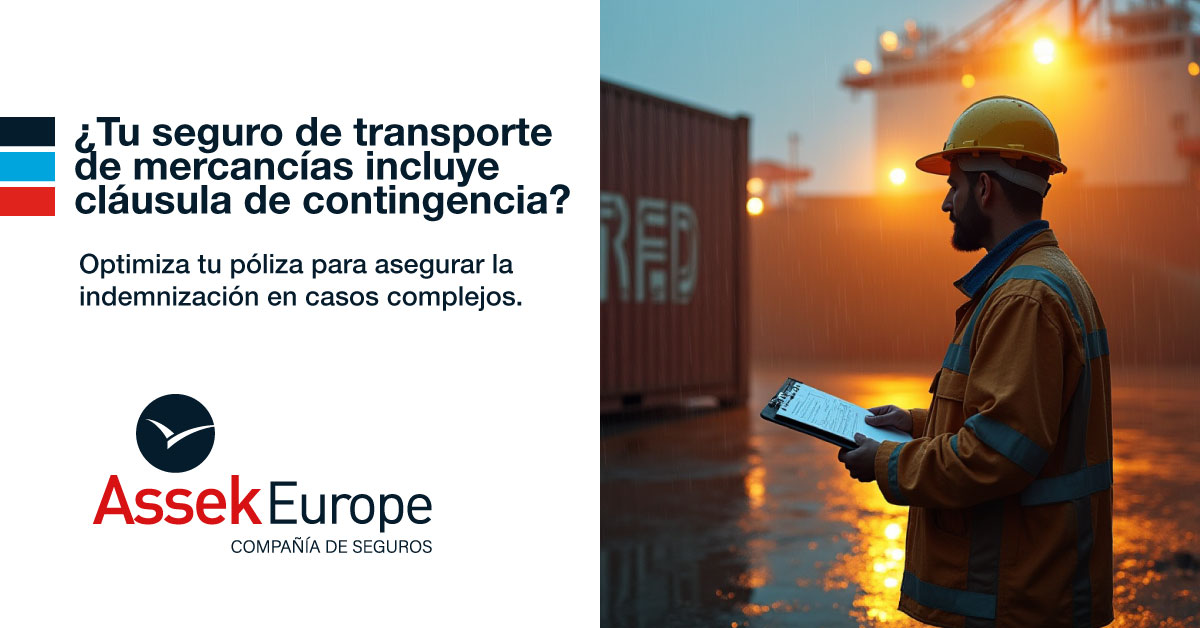
In the world of international trade, the risks associated with cargo transport are a reality that every business owner must account for. Whether by road, sea, or air, claims during the transit of goods can cause significant economic losses. Therefore, it is essential to be aware of the clauses that may not be included as standard in policies, such as the Contingency Clause, which can be key to protecting your interests.
What is the Contingency Clause?
The Contingency Clause is an extension of the insurance policy that covers the financial interests of the insured in cases where the insured is not responsible for contracting insurance, according to the terms of sale, or when the contracted coverage is more restrictive than what this policy offers. This clause provides a solution for cases where, despite the buyer or seller being responsible for contracting insurance, they have not done so adequately.
In simple terms, if the buyer or seller does not correctly insure the goods, the Contingency Clause guarantees that the insured can receive recovery for the loss or damage according to the conditions agreed upon in the transport policy.
How Does the Contingency Clause Work?
Coverage Limitation: This clause extends coverage to cover damages and/or losses that would otherwise be covered by the policy, but only if the insured cannot obtain recovery under the insurance that the buyer or seller should have contracted.
Key Conditions:
Confidentiality: The existence of this coverage may not be disclosed to third parties.
Immediate Communication: The insured must inform the insurer as soon as they become aware of a claim that could affect this clause.
Preventive Measures: The insured must take the necessary measures to minimize damage or loss and work with the buyer and/or seller to obtain a reimbursement.
Subrogation of Rights: If the insurer pays a claim under this clause, the insured must subrogate all their rights against buyers, sellers, and others involved, allowing the insurer to recover what they paid.
Why is this Clause Important in Cargo Transport?
In import operations where contracting is not always done under CIF or higher conditions (i.e., without insurance included in the price), adding a Contingency Clause is crucial. This clause allows the insured to directly receive indemnity for a claim, leaving the insurer in charge of the recovery process against the supplier's insurer.
Practical Example: If you buy goods from a Chinese supplier under CIF conditions, the insurance is likely contracted with a Chinese insurer. Without the Contingency Clause in your policy, if a claim occurs, you would be the one who would have to manage a legal process in China. In contrast, with the adequate clause, your insurer will handle the payment and manage the recovery for you.
Benefits of the Contingency Clause for Your Business
Avoids International Legal Conflicts: In import or international trade situations, the Contingency Clause facilitates the indemnity process without needing to face long and costly legal proceedings in the country of origin.
Coverage Without Duplicating Insurance: The clause ensures that double insurance does not occur, preventing redundant coverage from being generated.
Protection Against Unforeseen Risks: When insurance contracted by another party in the transaction does not adequately cover the risks, this clause offers an effective solution to protect the insured's interests.
What Should You Take Into Account?
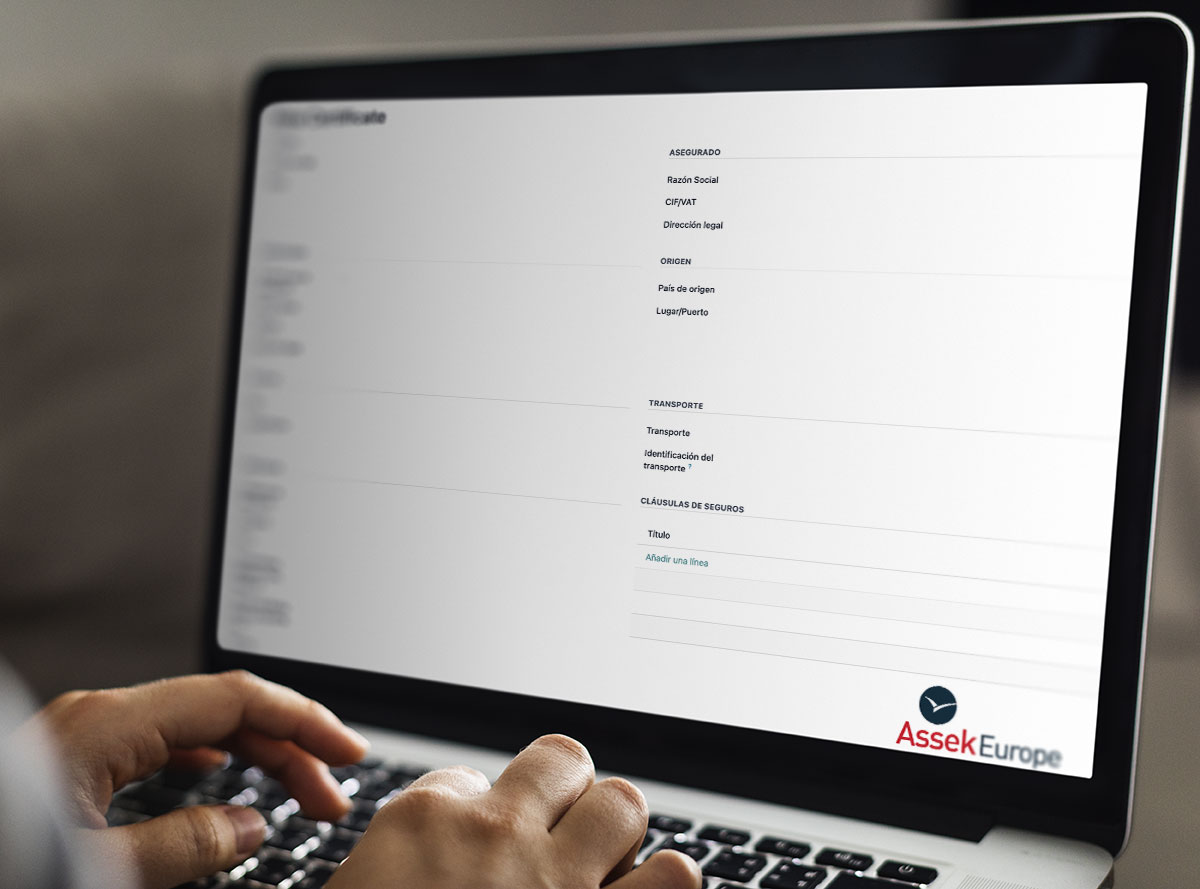
Communication with Your Insurer: Make sure your insurer includes this clause in your cargo transport insurance policy, as it often does not come as a default in standard policies.
Review of Sales Terms: Sales terms like Incoterms can directly influence the responsibilities of the buyer and seller. It is important to ensure that both your policy and the sales contract align appropriately.
The Contingency Clause is a valuable extension to your cargo transport insurance policy that provides you with an extra layer of protection. If you are involved in international trade or handle imports and exports, it is fundamental that this clause is part of your coverage. Otherwise, you could encounter difficulties recovering losses in situations where the responsibility to insure the goods lay with another party.
Do not put your interests at risk. Consult with the Assek Europe team about the possibility of adding this clause to your policy and ensure your cargo is correctly protected during transport.