BlognoticiasThe Maersk Saltoro case: a reminder of the risks in perishable goods transport
The Maersk Saltoro case: a reminder of the risks in perishable goods transport
noticias11/12/2025
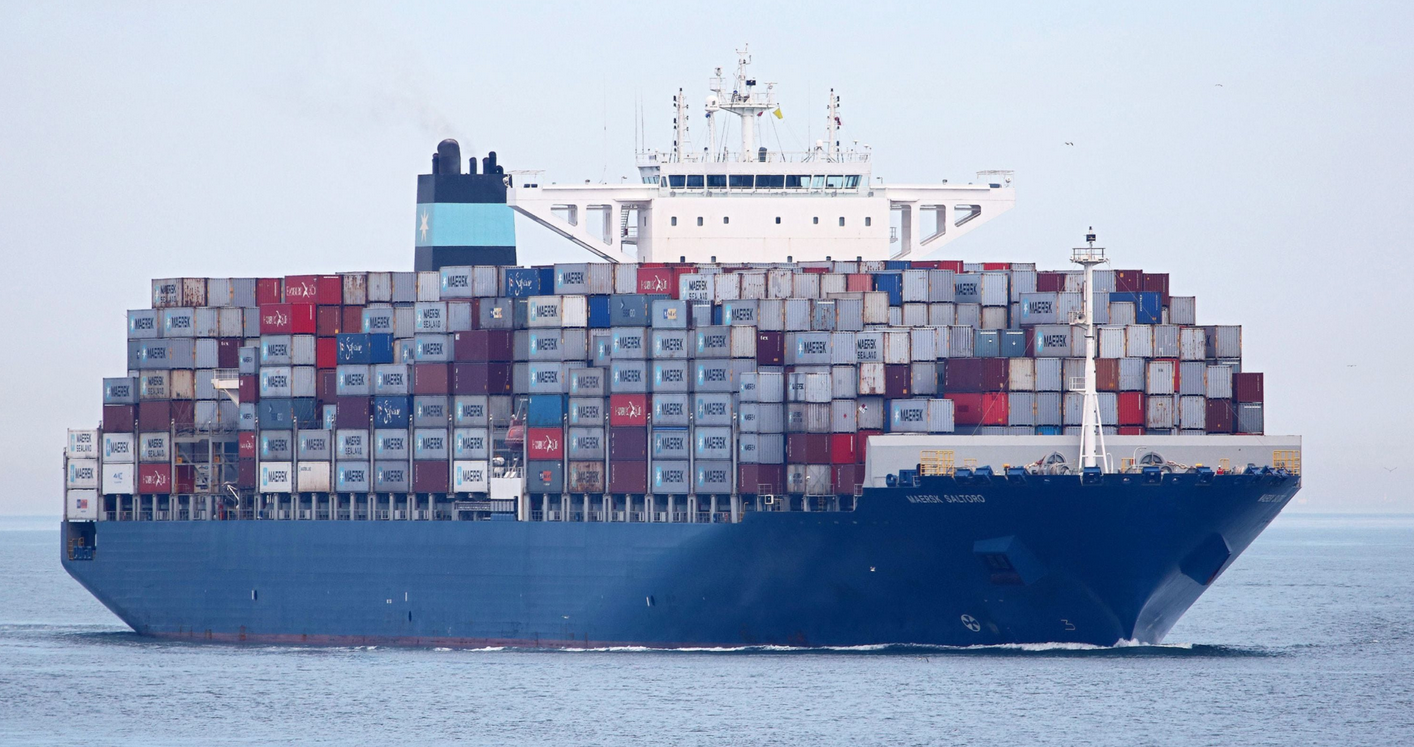
The recent incident involving the vessel Maersk Saltoro, which was transporting over 1,300 containers of Chilean cherries valued at more than $100 million, has highlighted a crucial issue for exporters and insurers: the risks in the transport of perishable goods.
The Impact of the Delay: Beyond Physical Damage
The vessel, which was scheduled to arrive at the port of Nansha, China, on January 17th, was stranded due to an engine failure, causing a delay of approximately 20 days. This delay has generated great concern among exporters, as the cherries will miss their optimal sales window: the Chinese New Year. In this context, the main risks faced by the cargo owner include:
-Product Devaluation: Upon arriving after the key date, the price will be considerably reduced. -Loss of Demand: The buyer may attempt to reject the cargo as they no longer need the same quantity of goods. -Goods Deterioration: Factors such as extra time in transit, refrigeration failure, or premature ripening can compromise the product's quality.
What Does Cargo Transport Insurance Cover in This Specific Case?
In the case we are discussing, from the insurance perspective, it is important to clarify that cargo transport insurance would only cover the third point: damage to the cargo during transport. However, loss of market value or the receiver’s refusal to accept the goods are not insurable risks under a standard cargo transport policy.
In cases like the Maersk Saltoro incident, the possibility of coverage under the ICC(A) Frozen Food clause and the Frozen Food Extension Clause has been mentioned, which, under certain conditions, could cover losses resulting from the delay, provided that it is proven that the deterioration was a direct consequence of the delay. Nevertheless, determining the exact cause of the damage can be challenging, as factors such as product traceability at the origin also play a role.
The Role of a Specialized Insurer
For exporters and freight forwarders dealing with perishable goods, relying on an insurer specialized in transport is key. Agility in claims management, responsiveness to unforeseen events, and advice on contracting additional coverage can make the difference in situations like this.
At Assek Europe, our commitment is to offer agile and personalized solutions that protect our clients' cargo at every phase of transport. Cases like the Maersk Saltoro remind us of the importance of analyzing the risks of each operation and having insurance tailored to the specific needs of each exporter.
Análisis del contenido con IA
Acceso a herramientas de inteligencia artificial para obtener resúmenes, puntos críticos y una lectura estratégica del artículo.
Herramientas externas de análisis aplicadas al contenido del artículo.